Bentonite Cat Litter Sourcing: Why Dust Is a Logistics Problem
You cannot buy bentonite from a factory. You have to find someone who owns a mine
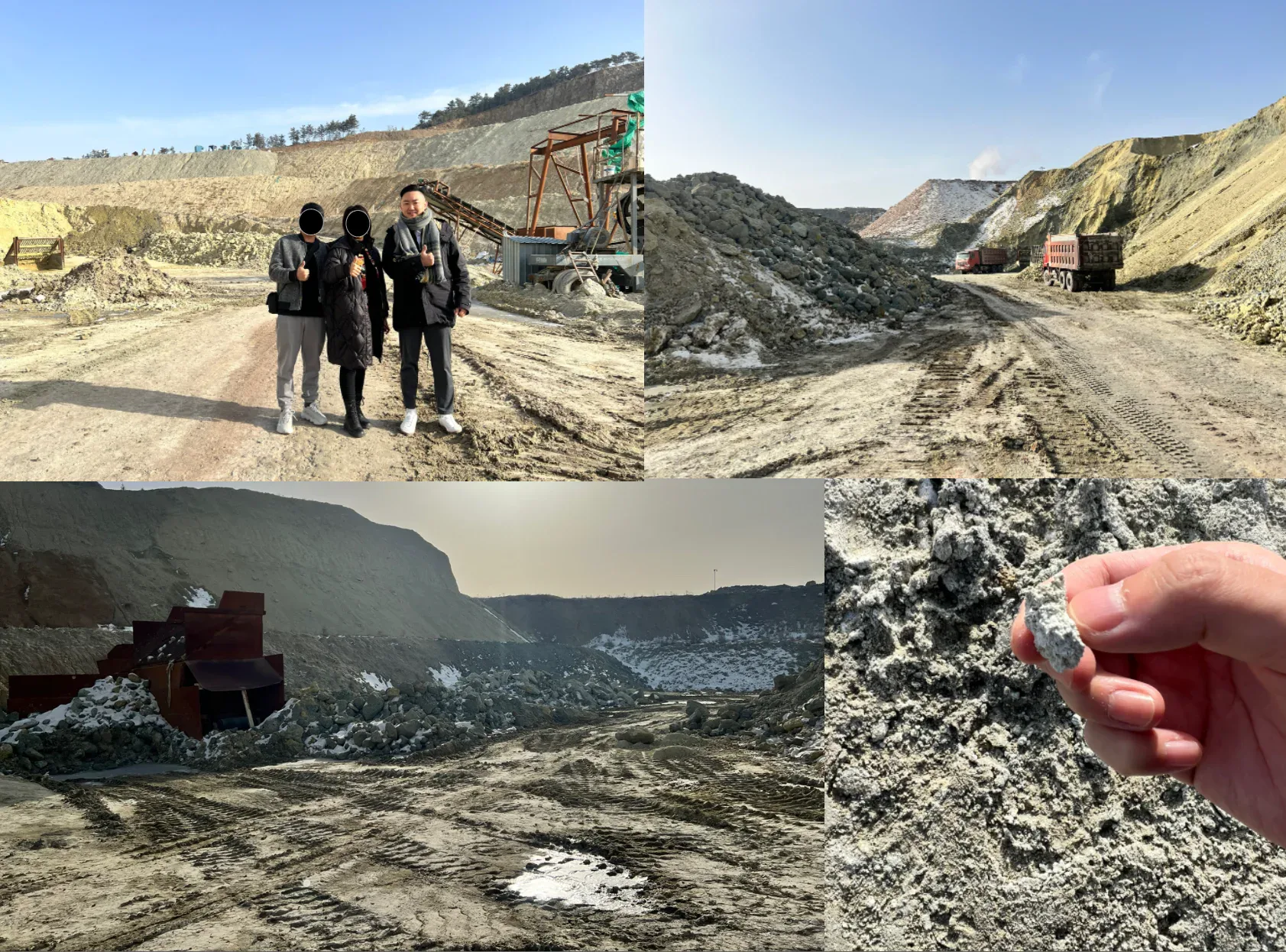
This is a bentonite mine site in Inner Mongolia. What you see behind us, piled beside us, and under our feet is all bentonite. The people standing with me are the owner and staff of the plant.
If you are sourcing cat litter, this photo is the first thing to understand. Bentonite is mined. To mine it you need mining rights. It is not something a factory mixes together.
Why there are so few suppliers
Under current environmental rules, new mining permits are issued sparingly. Opening a new mine is close to impossible.
So the raw material sits with a small number of rights holders. In practice this means three things.
- Whoever you talk to, the material comes from the same small group of mines. There is not much room to be different on raw material cost.
- The difference is in processing and distribution, not in the material. Milling, grading, dust extraction, bagging, and how many warehouses it passes through.
- If someone quotes you a much cheaper raw material, it is a different material. Different purity, or a different grade.
If you do not know this, you cannot read the quotes you are comparing. You will not know why one is cheap and one is not.
How you get there

Inner Mongolia is a long way from Yiwu. China is a very large country and the high speed rail network is excellent, so most factory visits are made by train. It is comfortable and it is on time.
The third frame is me resting somewhere in the middle of the journey. A lot of sourcing work looks like this. It is not glamorous. It is mostly travel, and then standing and looking.
But you have to go. You cannot learn what is in the next section from photos and a quotation.
Inside the plant
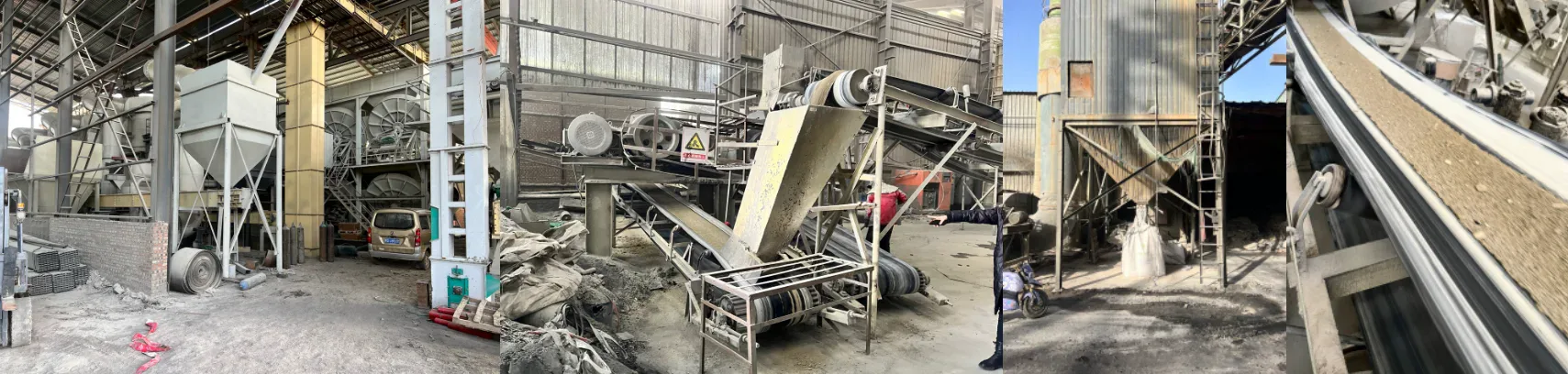
Left to right: the conveyor line, the bagging area, and the dust extraction equipment.
The conveyor
Mined ore is crushed and graded, then moves along the line. At every one of these stages the material knocks against itself and breaks down. I will come back to this.
Bagging
This is the packing area. Finished product is filled and sealed here. Depending on how the supply chain is set up, this is the stage where the brand label and the packaging specification get decided.
Dust extraction
On the right is the equipment that pulls dust out. Bentonite produces a lot of dust by nature, so any serious plant has this, and it is worth checking that it is actually running.
Why this matters. Dust in cat litter is not only a cleaning problem. Cats put their faces close to the tray and they lick their paws. Heavy dust can lead to eye discharge and irritation.
If you are sourcing cat litter, look for dust extraction at the plant and check that it is in use. This does not appear on a quotation.
The same logic runs through every product we handle. With garments it means checking the fabric before it is cut and walking the sewing line mid-production.
But the dust comes back after the goods leave the factory
This is the most important part of this article.
However well a plant extracts dust, bentonite keeps breaking down every time it is moved. Loaded, unloaded, stacked in a warehouse, moved again, loaded into a container, unloaded again. Each time, the granules grind against each other and new dust is created.
So the dust your end customer sees when they open the bag is not the dust that left the factory. It is the dust that was made between the factory and them.
Which means the fix is not in the recipe
There is really only one way to reduce it.
Shorten the chain. Fewer hands on the goods.
Factory to warehouse, warehouse to wholesaler, wholesaler to another warehouse. Every extra step is another load and unload, and every load and unload puts more dust in the bag.
Keep this in mind when you look at a cheap offer. If the price is low because the goods pass through more hands, that saving is being paid for with product quality.
A price that stands out almost always carries information the seller has not told you.
Frequently asked questions
Where is bentonite cat litter made?
The raw material is mined. Inner Mongolia is one of the main sources. The plant crushes, grades, de-dusts and packs it into finished product.
Why are there so few bentonite suppliers?
Mining requires rights to a mine, and under current environmental rules new permits are issued sparingly. The material is concentrated among a small number of holders.
Why does dust matter in cat litter?
Cats put their faces close to the tray and lick their paws. Heavy dust can lead to eye discharge and irritation.
Can cat litter be made completely dust free?
No. Bentonite breaks down whenever it is handled. Plant dust extraction removes the first layer of it. After that, the number of steps between the plant and the customer decides the rest.
Why visit the plant in person?
Whether dust extraction exists and is actually running, and what condition the bagging line is in, do not appear on a quotation. You have to go and look.
If you are sourcing cat litter
I am based in Yiwu and I go to the source, wherever the source is. I check the plant, manage production, and ship finished goods to buyers in Korea, the United States and Europe. On this product, taking steps out of the chain is the same thing as improving the product. Get in touch.
